Creating Desire, Not Just Demand:
What B2B Brands Can Learn From Luxury
There is a widely held assumption in B2B marketing that emotion belongs to consumer brands and, by contrast, that business decisions live in a more rational register, governed by logic, process and procurement criteria.
Well, this assumption is being comprehensively dismantled by research.
A landmark study by Google, CEB Marketing and Motista spanning 3,000 B2B buyers across multiple industries, produced a finding that challenged everything the sector thought it understood about itself: B2B buyers are more emotionally connected to the brands they purchase than consumers, not less. The average B2C brand has an emotional connection with between 10 and 40 percent of consumers; seven out of nine B2B brands studied had emotional connections exceeding 50 percent.
The reason is simple. A consumer who makes a poor purchase decision loses money; a B2B buyer who makes a poor decision may lose their job, their reputation, and years of professional credibility. The personal stakes are higher, which means that emotion—specifically trust, confidence, and the fear of a visible mistake—plays a greater role in B2B buying than in almost any consumer context. B2B buyers are nearly 50 percent more likely to buy when they feel personal confidence in their choice, and eight times more likely to pay a premium for it.
Gallup research places emotional factors at up to 70 percent of economic decision-making, and finds that companies effectively applying behavioural economics principles outperform peers by 85 percent in sales growth and over 25 percent in gross margin. These are not marginal gains. They represent the compounding difference between a brand that is deliberately chosen, and one that is merely considered.
So where does luxury come in?

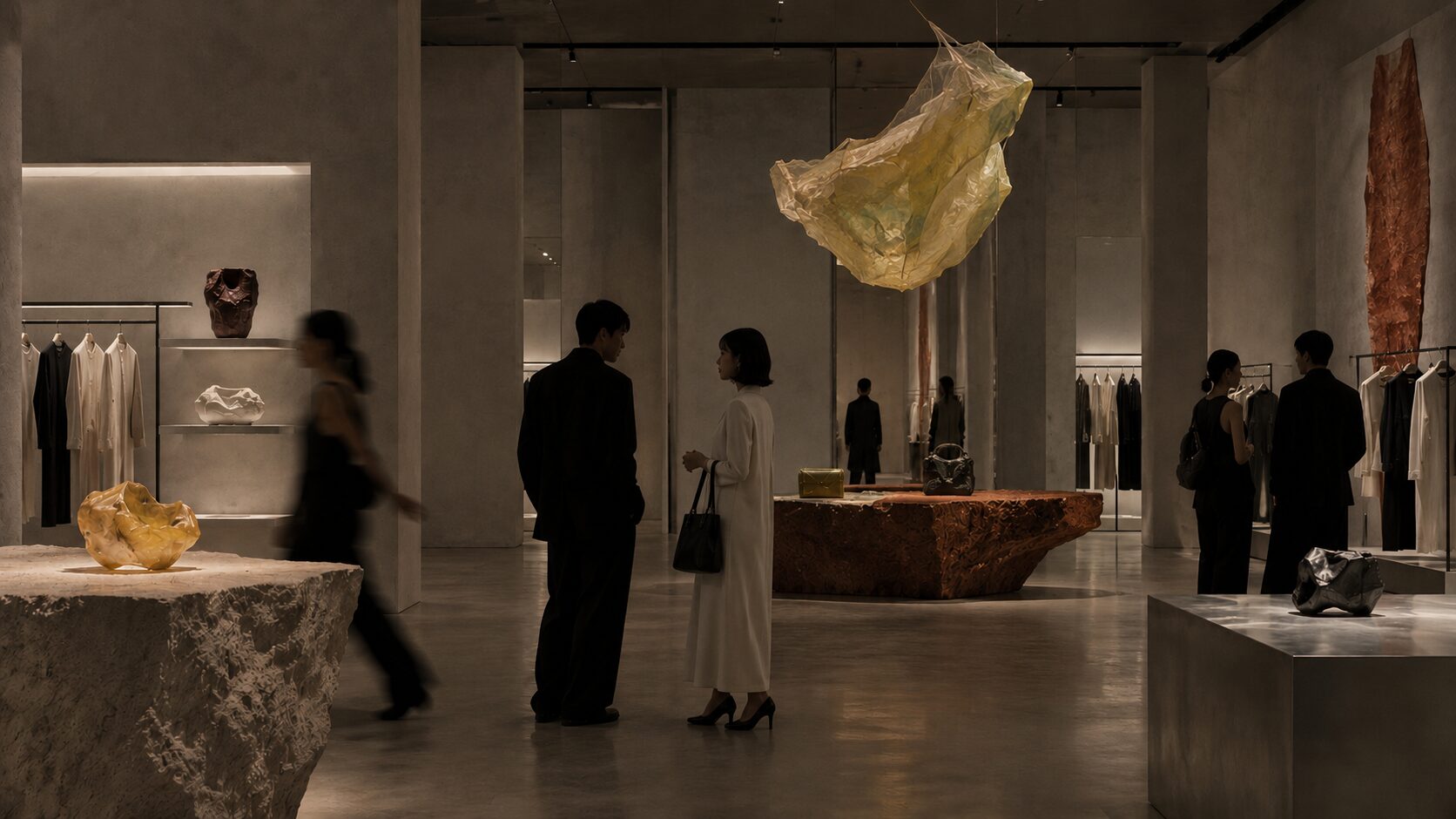
Luxury brands have solved the problem that B2B marketers struggle with most: how to create desire in a category where the rational case for your product closely resembles your competitors’. They have done it by designing the full emotional and sensory architecture of the brand encounter: the environment, the detail, the quality of presence, the felt sense that the client is in the company of something that genuinely understands and values them.
These are not exotic concepts. Rather, they translate directly into B2B contexts. A professional services firm that designs its client interactions with the care a luxury brand brings to its retail environment is communicating something powerful, before even a word of its proposition is uttered. The quality of the space, the specificity of the curation, the sense that this moment was specifically designed for the client and not assembled generically. These are the signals that create confidence. And confidence, as the research makes clear, is the currency that determines who gets chosen and whether a premium is paid.
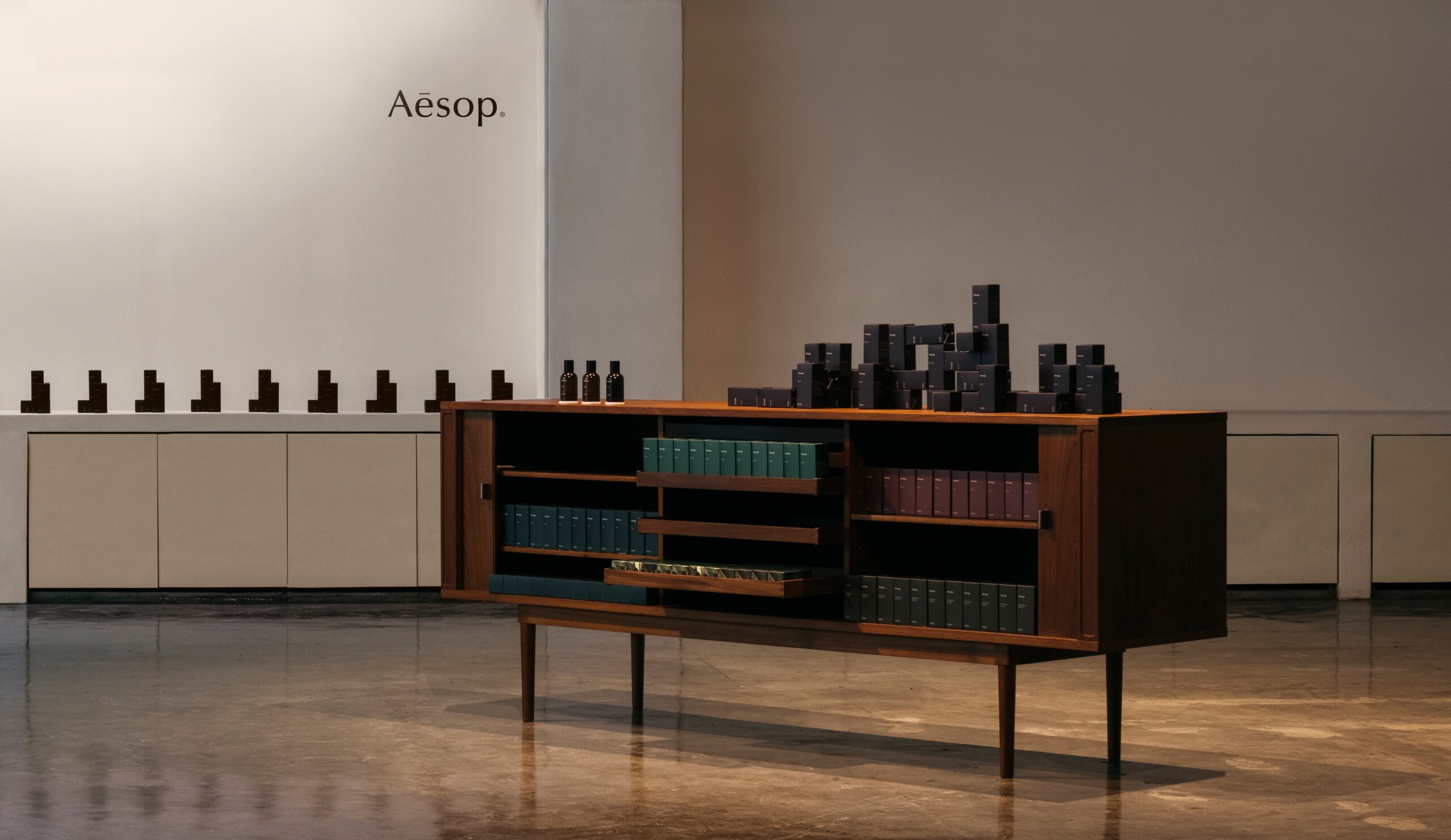
McKinsey research confirms that the emotional dimensions of a brand—whether it fits a buyer’s values and beliefs—are significant factors even in B2B purchase decisions. Companies consistently overestimate the importance of the rational messages they communicate, while underestimating the emotional elements their buyers actually respond to.
The luxury sector has spent over a century learning how to make people feel something before they make a decision. B2B brands that learn to do the same will find, reliably, that the decision tends to go in their favour.
The brief, then, for experiential investment in a B2B context is not: “how do we impress our clients?” It is: “how do we make our clients feel the kind of trust and confidence that turns a consideration into a commitment?”
That’s been our guiding principle in experiential design for the past 23 years. If it’s a question you’re ready to answer for your brand, we’d like to hear about it—connect with us below.