When Space Becomes Story
The Art of Environment as Brand Narrative
In 1998, B. Joseph Pine and James Gilmore published their foundational Harvard Business Review article arguing that the highest form of economic value is not a product, not a service, but an experience. “The memory,” they wrote, “is the product.”
More than a quarter of a century on, that argument has only deepened in relevance, and the most interesting question it poses is not what happens in an experience, but where it happens.
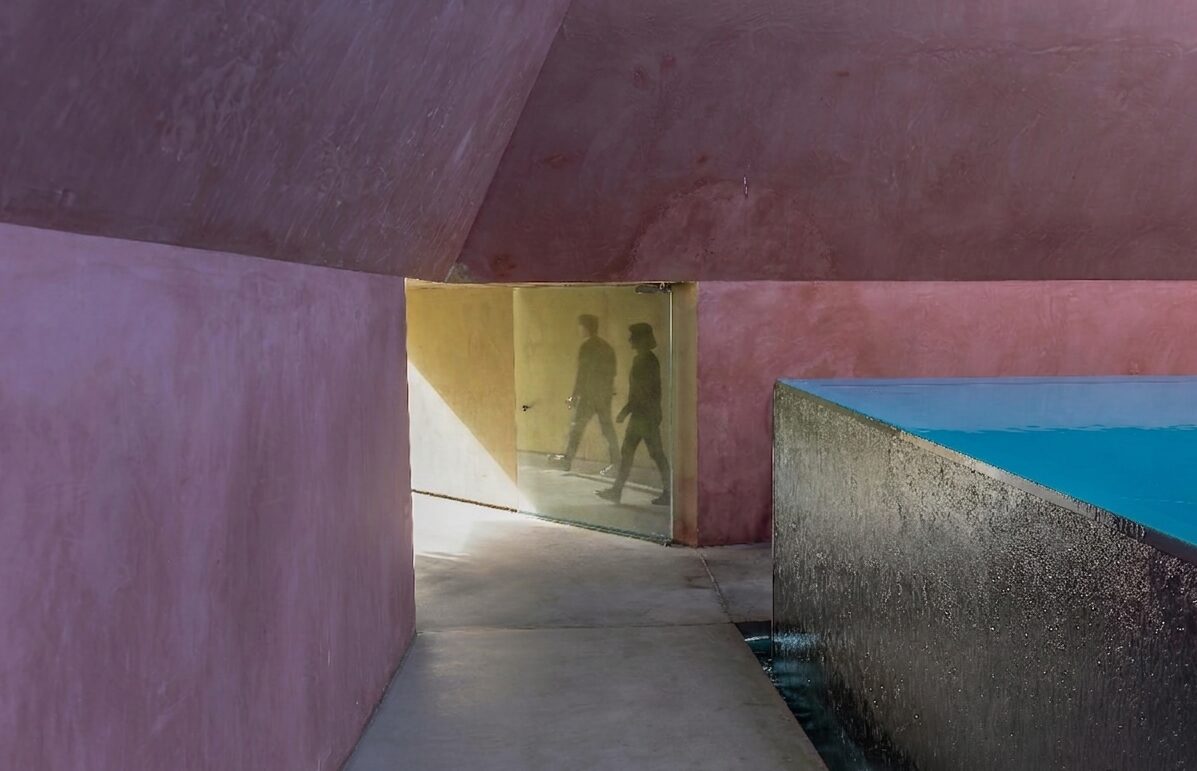
With more of what we do and how we do it governed by digital approaches and the use of AI, it’s become more critical than ever to perceive physical spaces as a storytelling medium. Like film or writing, these spaces possess grammar and syntax—a way of arranging elements to produce meaning. The dimensions, height and proportion of a room signals presence; the texture of a surface speaks to craft; and the quality of light shapes mood. The pathway a visitor takes through a space communicates priority—what you want people to notice first, what they are meant to discover, what arrives as a culmination or crescendo. Every spatial decision made in the design of a brand environment is a narrative one, whether it’s made consciously or not. The question is—are those decisions being made with intention?
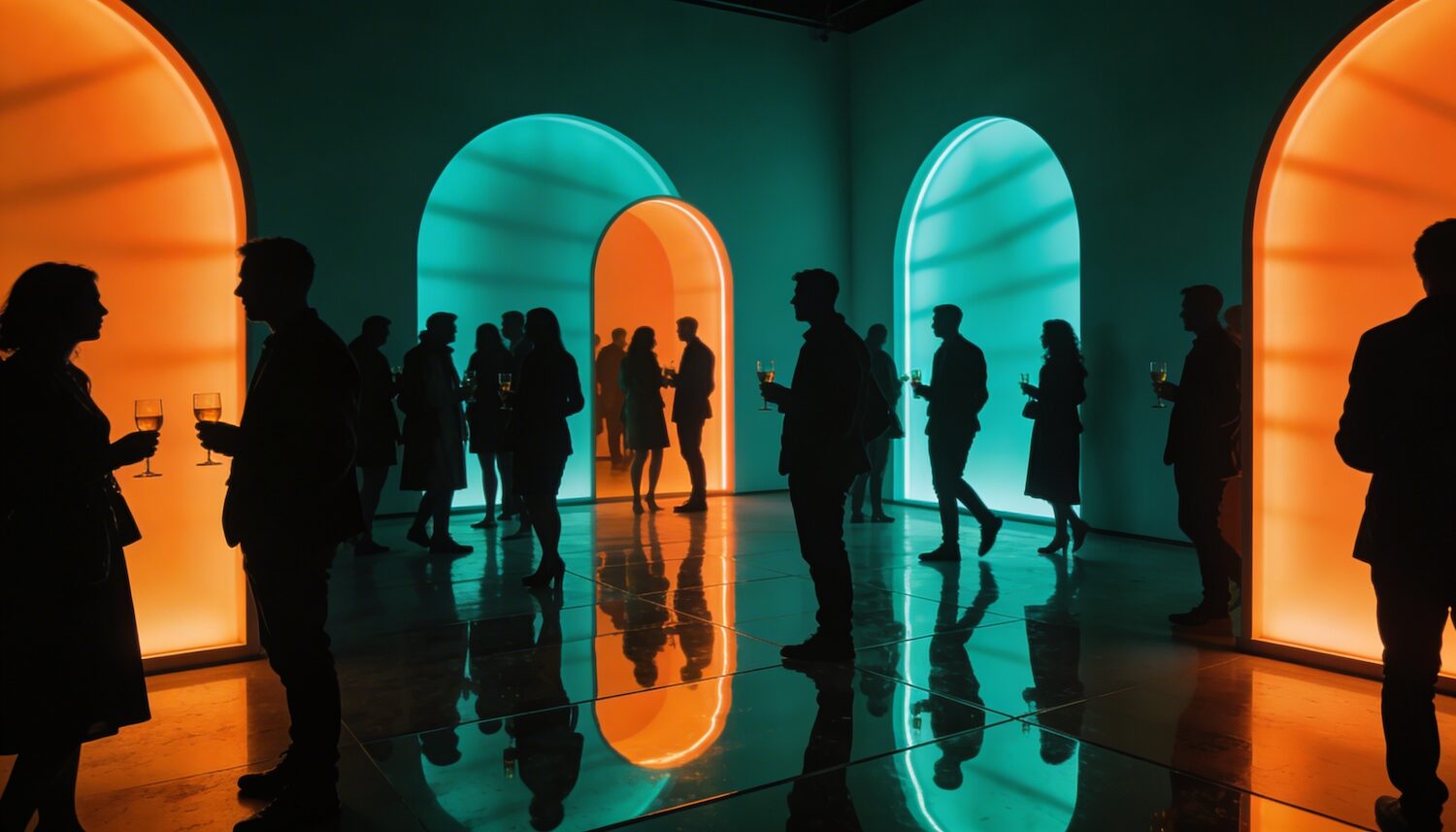
In the case of experiences that lack thought and nuance, most of these decisions are not. The default for brand environments—conference venues, client entertainment spaces, product launches, corporate headquarters—is often of functional efficiency. Rooms arranged to accommodate the maximum number of people, lighting adequate for visibility, and furniture both functional and appropriate. Such spaces communicate nothing beyond their own logistical purposes, and brands that occupy them take on the character of what contains them: generic, forgettable, bereft of story.
The alternative, is to treat each space as a deliberate narrative instrument. This requires a different set of questions at the briefing stage. What should guests feel the moment they arrive? What is the journey through this space, and what does each stage of that journey communicate about the brand? Where is the moment of revelation or emotional crescendo? The point in the spatial sequence where the brand’s deepest intention becomes legible? What should the experience of leaving feel like?
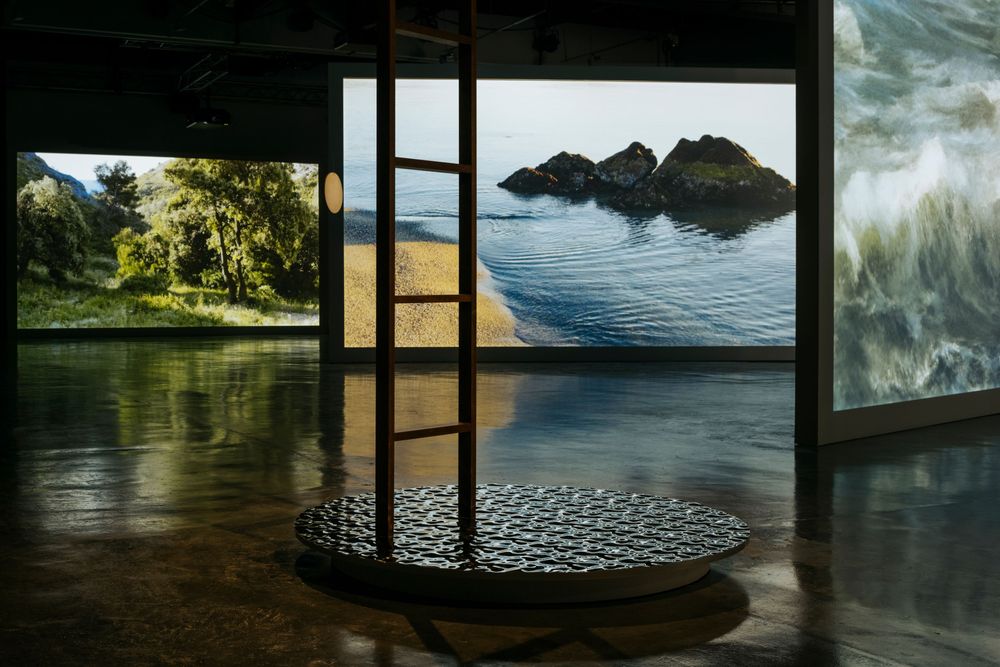
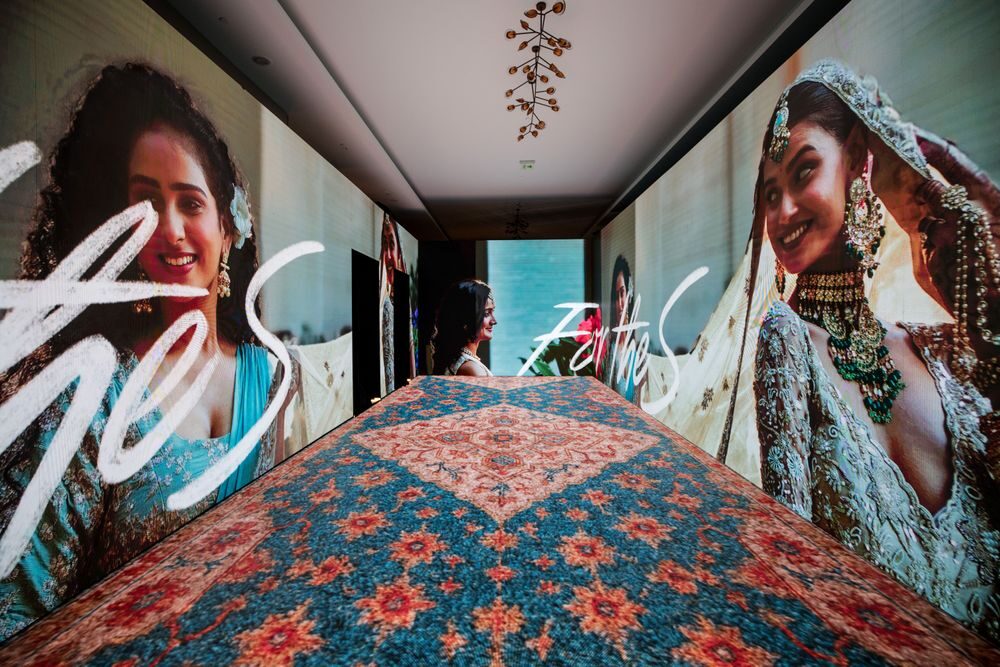
Great spatial storytelling often operates through contrast. Compression and then release, such as a narrow corridor that opens into a generous, light-filled arena. Or a darkened, enclosed room radically transformed by panoramically mapped projections and revolving animations that delighted guests at every turn—a multimedia journey we created for Hilton where brand legacy met experiential innovation. Or highly tactile spatial arrangements that demonstrate emotional resonance and sensory intelligence—immersive brand worlds we’ve designed for Aesop to inspire a new wave of consumer and media conversation. Familiarity transforms into surprise and an environment that begins in a register the guests recognise, then shifts unexpectedly into something that reframes their understanding of the brand.
What makes this discipline powerful is that it bypasses the conscious mind. The emotional conclusions drawn from a physical environment are formed before the visitor can articulate them, and these cues tend to be trusted in a way that explicitly communicated content is not. A brand that shouts ‘innovation’ at its audience will be assessed critically, but a brand that puts its audience in a space that makes them feel the electricity of genuine innovation has bypassed that assessment entirely. The experience itself has done the work of persuasion without triggering the resistance that persuasion typically produces.
Pine and Gilmore’s insight—that the memory is the product—points directly to this approach. Experiences are both personal and unique, based on an individual’s interpretation of events. These are the laws of UX that result in the Peak-End rule, where the visitor’s interpretation is being shaped by the environment in which the event takes place.
When we design a space with the same strategic and creative rigour as the content, then we are staging more than an event—we are building a memory of the brand.
If space is already telling a story—what is yours saying?
We design environments where brand, narrative and experience move as one.
If you’re building something that needs to resonate, let’s connect below.