The Architecture of Immersion:
Moving from Spectacle to Impact
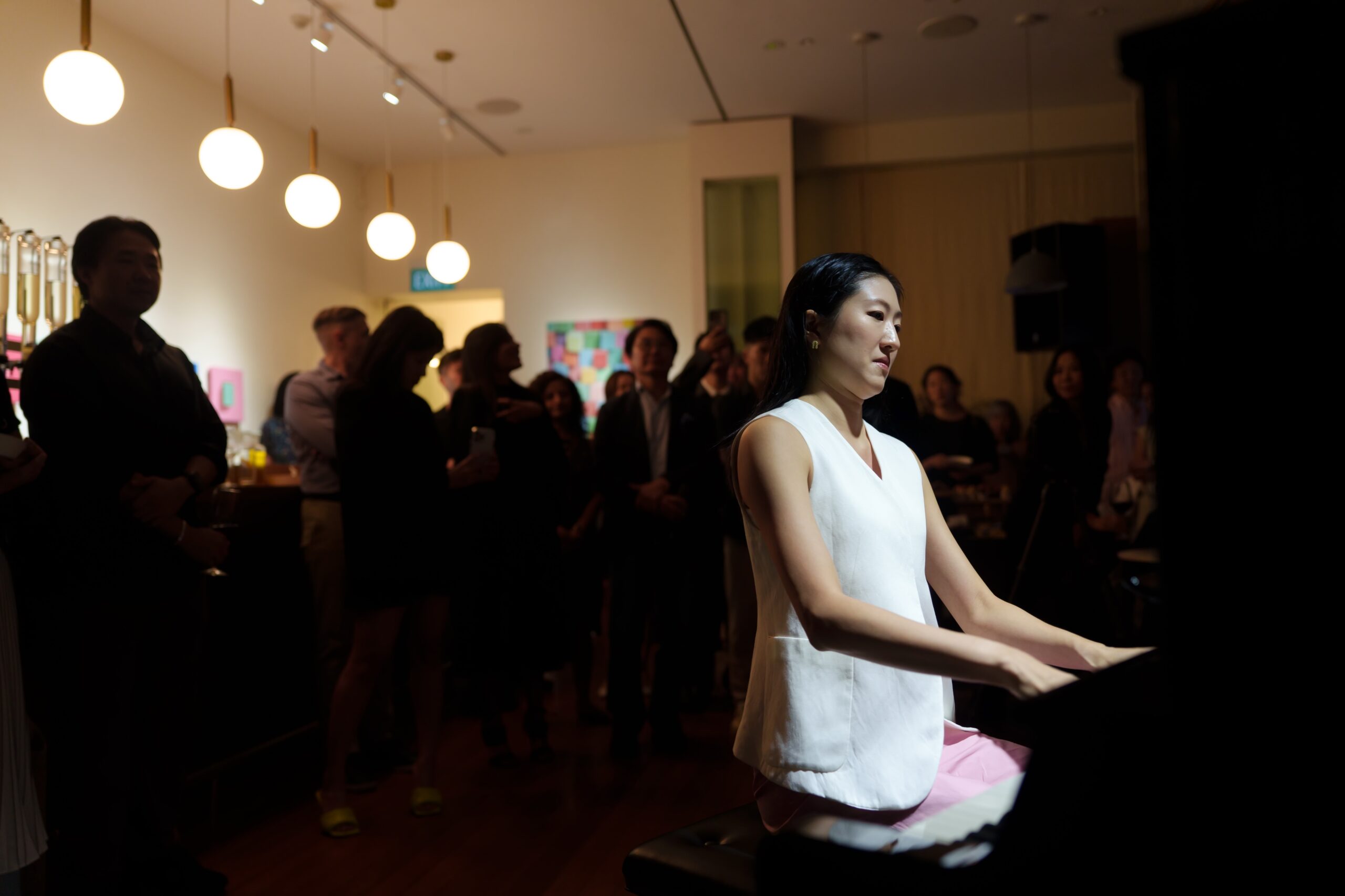
The word immersive has been doing a lot of heavy lifting in marketing.
It gets applied to pop-up exhibitions, branded hotel rooms, AR filters, and projection-mapped conference stages. In most cases, what it actually means is: visually impressive. Lots of screens. Ambient lighting. And the obligatory Instagram moment.
Spectacle and immersion are not the same thing, and conflating them is one of the most common, and costly, mistakes in experience design.
True immersion is a psychological state, not an aesthetic one. It occurs when someone’s attention is so fully absorbed that the boundary between themselves and the environment temporarily dissolves. They are not watching the experience—they are inside it, a part of it. This is the condition that generates the emotional intensity behind our strongest memories, shifts perception, and produces the kind of behavioural change a brand’s investment is trying to buy. Spectacular design can create the climate for immersion, but it cannot deliver immersion on its own.
So what does? Research points to three interdependent factors.
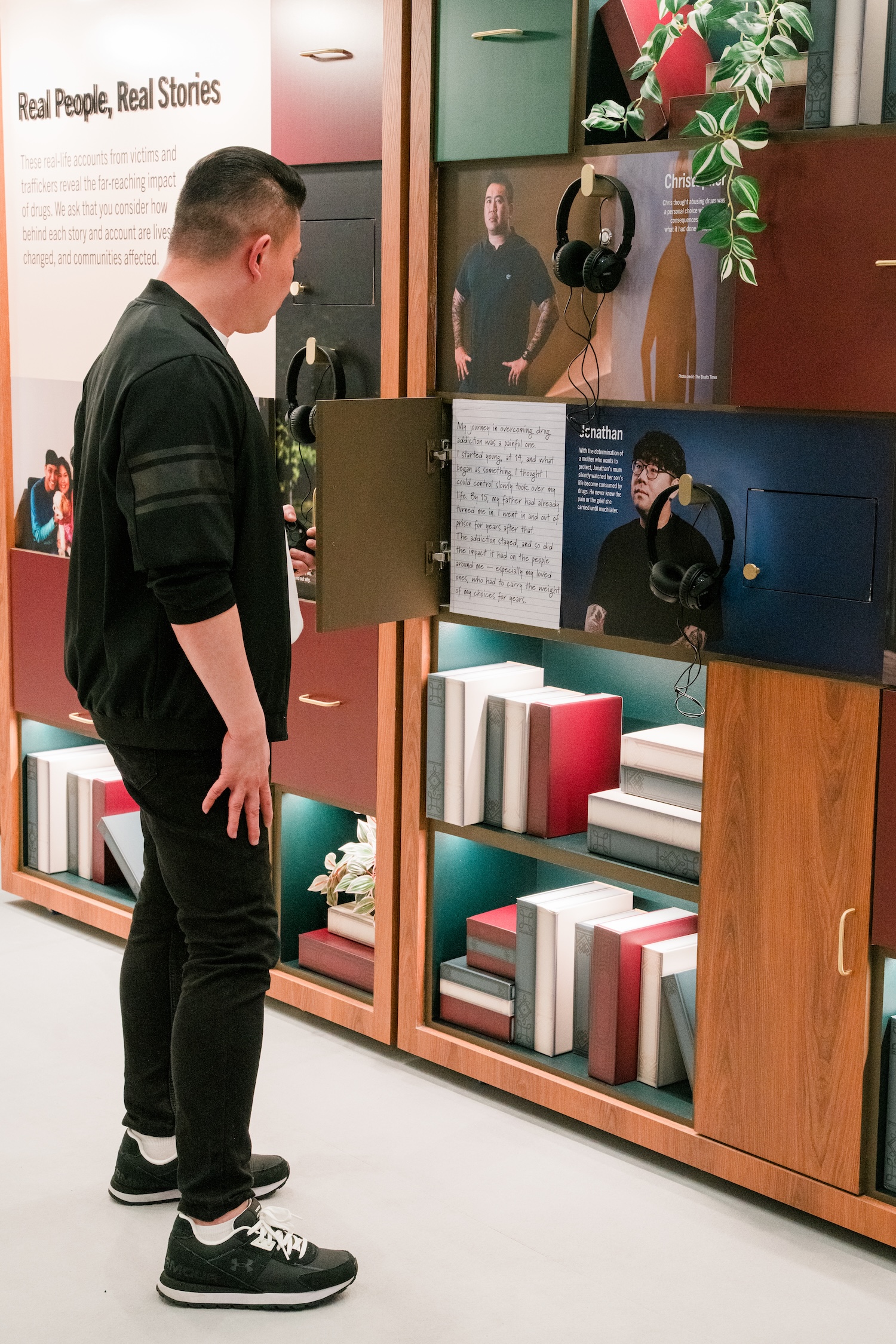
The first is coherence. An experience feels immersive when every element serves a single emotional or narrative intention—when spatial design, sound, lighting, content, pacing, and human interaction all move in the same direction. When elements are in conflict—like a visually sophisticated environment undercut by a generic playlist, or a compelling narrative interrupted by administrative logistics—the spell breaks. Cognitive dissonance is the enemy of immersion.
The second is agency. Guests engage more deeply when they have a degree of meaningful choice within the experience—not unlimited freedom, but the felt sense that their presence is active rather than passive. This can be as modest as a non-linear spatial journey that rewards their curiosity, or as deliberate as an interactive element that produces a personalised outcome. The key word here is meaningful. Pressing a button that changes a screen colour is not agency. Genuine agency reveals something, changes something, or creates something.
The third is pacing. The most memorable immersive experiences are not uniformly intense; they have rhythm. Moments of high stimulation followed by moments of stillness; compression followed by release. This is how music builds emotion, how cinema creates tension, and how the most effective spatial journeys operate. A space that sustains constant stimulation becomes numbing and very often, emotionally exhausting. A journey that modulates its intensity, on the other hand, creates the emotional peaks that psychologist Daniel Kahneman’s peak-end research identifies as the raw materials of memory.
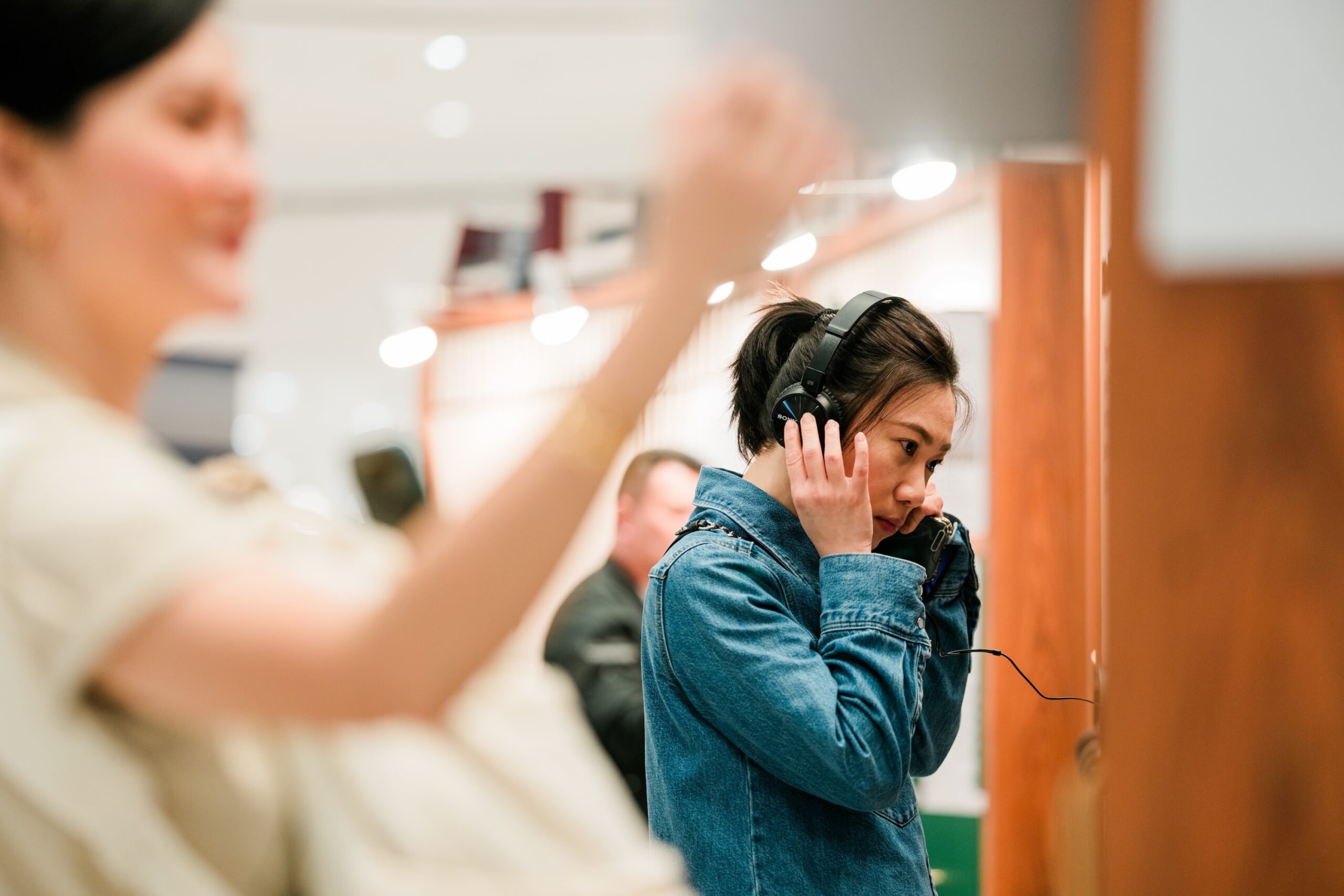
Industry data from EventTrack shows that 85% of consumers are more likely to buy from a brand after attending a live marketing event, and 91% report more positive feelings toward a brand following a live experience. But this data holds only for experiences that achieve genuine engagement. The difference between a spectacular event forgotten within a week and an immersive experience that reshapes how someone thinks and feels about a brand is determined exactly by the three conditions explored earlier: coherence, agency, and pacing.
The difference is fundamental. Where spectacle earns attention, immersion changes minds. Both matter, but they are not the same investment.
If your next brand experience needs to move people and not simply impress them, get in touch with us below.
This piece is part of a continuing series on the design of brand experience. Read From Awareness to Action to explore the case for live experience as a business driver, and When Space Becomes Story for how physical environments become brand narratives.